
When you dine out at a Mediterranean-inspired restaurant in NoVa, like Cafesano Italian & Mediterranean Bistro, you’ll almost certainly see hummus somewhere on the menu.
It’s a classic staple in the Mediterranean diet, and a delicious one at that! But it has people wondering—is hummus actually healthy?
It’s a valid question. How could something so delicious, thick, and creamy also be healthy for you?
The truth is, hummus is a powerhouse of health benefits.
We’re diving into the benefits of hummus (using science-backed information!) so you can feel good the next time you enjoy some in a wrap or on a pita chip.
What Is Hummus?
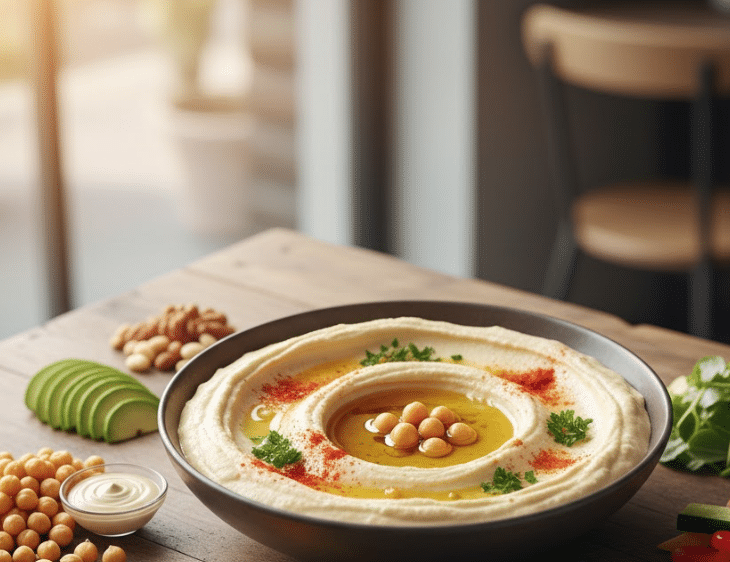
Hummus is a creamy, savory spread made from cooked chickpeas, tahini (a paste made from sesame seeds), lemon juice, garlic, and olive oil.
It originates in the Middle East, specifically in what is now known as Lebanon and Jordan. It’s been a long-time staple in Mediterranean cuisine, enjoyed with pita bread, vegetables, or as part of a larger meal.
Today, you’ll find many variations of hummus with different flavors. Just take a walk down the refrigerated aisles in your grocery store, and you’ll find flavored hummus available.
Top Health Benefits of Hummus
When you eat foods that you know are good for your health, you have peace of mind and can fully enjoy them. Hummus is one of those foods.
Below, we’re outlining four science-backed benefits of eating hummus and how it can improve your overall health.
1. Supports Stable Blood Sugar
When we eat, our bodies produce insulin, which helps convert glucose into energy. But sometimes, very sugary or carb-dense foods can trigger a blood sugar spike, causing our bodies to produce excess insulin.
The good news is that hummus can actually prevent blood sugar spikes, because chickpeas (the main ingredient) are low on the glycemic index.
Since your body digests the hummus slowly, it provides steadier energy levels and a feeling of staying fuller longer.
Plus, it’s a great staple to add to your diet if you do struggle with insulin sensitivity or have been diagnosed with type 2 diabetes.
DISCLAIMER: The information in this blog post is for educational purposes only. Hummus can be a healthy food, but you should always consult your doctor before making dietary changes to manage a health condition.
2. Rich in Plant-Based Protein
We’ve all heard just how important protein is in our diets. It’s the macronutrient that helps us build and maintain muscle, keeps us fuller longer, and contributes to balancing blood sugar levels.
And, believe it or not, hummus provides a complete-feeling protein combination that supports all of that!
Having some variety in your protein sources is super beneficial for your body. With each 2-tablespoon serving of hummus, you’ll get 2 grams of plant-based protein.
3. High in Gut-Loving Fiber
Our gut has a ton of impact on our overall health. So, when your gut is healthy and balanced, you’ll feel better in almost every way.
The good news is that hummus is rich in both soluble and insoluble fiber, which can support a healthier gut. When you eat hummus, you’re feeding beneficial gut bacteria, which can improve your digestion. (A major plus for many!)
When you have a healthy, happy gut, you can experience better hormone and insulin regulation, improved immune function, and smoother digestion.
4. Supports Heart Health
The Mediterranean diet is a heart-healthy option that helps you live longer! And hummus is a major contributor to supporting heart health.
Did you know that nearly half of all adults in the U.S. have some kind of cardiovascular disease? Hummus might be the addition to your diet you never knew you needed.
Research shows that chickpeas can help lower LDL (“bad”) cholesterol, improve blood vessel function, and reduce the risk of cardiovascular disease.
If you’re someone who cares about your heart, adding hummus to your diet is an easy way to start your heart health journey.
How Much Hummus Should You Eat?
Here’s the thing about eating hummus. There are numerous science-backed health benefits, but portion size matters.
It’s recommended that you eat 2 to 4 tablespoons of hummus to get the most health benefits.
Because it is high in calories (about 100 calories per 4 tablespoons), consuming too much hummus could lead to negative health effects.
Hummus is a great addition to your daily diet, and a little goes a long way in delivering its health benefits.
How to Choose a High-Quality Hummus
Not all hummus is created equally. Choosing a high-quality hummus is key.
When shopping for hummus at the grocery store, make sure to check the labels. You’ll want to avoid any hummus made with seed oils, added sugars, or preservatives.
One of the best ways to ensure you’re eating high-quality hummus is to make it at home. All you need is a food processor and the right ingredients.
But the best way to ensure you’re eating heart-healthy, high-quality hummus with no effort at all? Coming to Cafesano Italian & Mediterranean Bistro in Northern Virginia for lunch or dinner!
Enjoy Heart-Healthy Hummus and More at Cafesano in Northern Virginia
Eating healthy doesn’t have to be difficult. Cafesano in Dulles and Reston makes it easy (and convenient) to choose nutritious foods even when you have to order delivery or takeout.
If you want to add more hummus to your diet, stop in to try our Dip Sampler, featuring our traditional hummus and our red pepper hummus with a side of pita.
If you’re looking for a meal in Reston or Dulles, VA, that includes hummus as an ingredient, our Hummus & Greek Salad is a great, low-calorie option.
Whether you’re coming in with friends to enjoy our happy hour specials, ordering takeout to pick up for the family on your way home from work, or organizing catering for an event, Cafesano provides healthy Mediterranean dishes everyone will love.
Browse our menu to find your next heart-healthy meal. And don’t forget you can always order takeout online for your convenience!